 Socialist Party Wales Socialism In Wales

By Dave Reid
The 2019 general election marks a significant but temporary defeat for working people in Wales. The Johnson government looks set to implement a series of reactionary measures against working people and the cuts to NHS and other public services will continue.
Inevitably the right-wing capitalist media are baying for blood to not just force Corbyn out but to eradicate the huge base of support for the policies he stood for within the party. They want to reclaim the Labour Party as 100% a pro-capitalist and austerity-tolerant party. Right wing Labour MPs from Wales, past supporters of the now discredited Blair government, are to the fore in attempting to force the party to the right.
They claim that it was not mainly Corbyn’s position on Brexit but the policies in his manifesto that were unpopular. Martin Shipton, the chief political reporter of the Western Mail, claimed that “Brexit did not define what happened in Wales — if it did more valleys seats would have toppled”. Instead he argues that it was antipathy to Corbyn because of his perception of being close to the London middle class that lost the election.
Labour lost six seats to the Tories in Wales – the five in North Wales were all constituencies that voted leave (Bridgend was 50-50 Leave-Remain). Labour’s vote in Wales dropped from when Corbyn led them to a good result in 2017, but was still higher than Labour’s votes in in 2005, 2010 and 2015 under the leadership of Blair, Brown and Miliband (80,000 more votes than 2015 and a greater share, but winning three less seats).

In fact it is clear that it was not its manifesto promises but Labour’s confused position on Brexit that was the main reason for the drop in the vote from 2017. Labour lost votes in working class areas that voted to leave in 2016 whereas in areas that voted remain Labour’s vote held up and even increased.
Labour was perceived by working class leave voters and those remain voters who wanted to get Brexit sorted as a remain party and that Corbyn and Labour would reverse the decision of the 2016 referendum to leave the EU. This was reinforced in Wales by Labour First Minister Mark Drakeford doubling-down on the Labour-remain perception by saying that Welsh Labour is unequivocally against Brexit and will campaign in a second referendum for remain.
As the Socialist Party has argued, the working-class vote for Brexit was in the main a protest against the effects of a decade of austerity. Had Corbyn taken a clear socialist and internationalist position against the EU in the referendum the right-wing Tory nationalists would not have been able to dominate the Brexit campaign.
But even then the position he took in the 2017 election promising to respect the decision of EU referendum, was able to win over working-class Brexit voters. More than a million people in Britain who had previously voted Ukip voted Labour in that election.
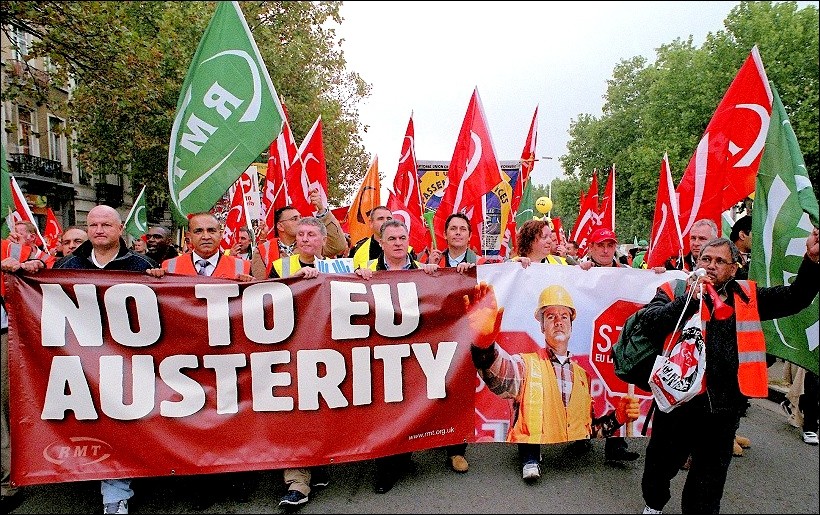
In fact Shipton got his facts wrong. The drop in Labour’s vote was greater in many South Wales valley seats than in the North Wales seats that were lost. A large layer of working-class people across Wales have been enraged by the attempts of mainly Labour remain MPs to thwart the result of the EU referendum and stop Brexit. Johnson was able to pose to them as an opponent of this undemocratic elite and his slogan of “Get Brexit Done” resonated to a wide layer of ex-Labour voters.
Corbyn’s claim to be fighting the elite at his campaign launch rung a little hollow with these working class Leave voters when he had been perceived to be working with the “remainiacs” in parliament to prevent Brexit. In fact Corbyn had attempted to hold on to a workers’ Brexit position that respected the referendum result for some time. But he ended up giving in to the pressure from Labour remainers, primarily the Blairites around Tom Watson, and promising a second referendum that could reverse the first one.
This concession to the Blairites followed a series of concessions which Corbyn made to them in a vain attempt to win them to get behind his leadership. But the pro-capitalist Blairites that make up a big majority of Labour MPs would never accept a leader who supported radical policies that threatened to undermine the power of capital, no matter how many concessions he made to them. In reality Labour is two parties in one – the majority of members who supported Corbyn on the one side and the pro-capitalist Blairites on the other – and the two sides are unreconcilable.
Corbyn obviously hoped that he could cut through the scepticism to his Brexit position by working class leave voters by putting forward a radical manifesto of reforms. The policies themselves were overwhelmingly popular but scepticism with Corbyn extended to scepticism that his policies would actually be implemented.
The vicious media campaign against Corbyn clearly had an effect in turning many workers against Corbyn, but the effect of the attacks was magnified by the fact that his own MPs and his deputy were leading the attacks on him, including the false charges of anti-semitism. And Corbyn’s tolerant approach to his critics made him look weak and indecisive to many workers, less likely to carry out his policies if elected. As Bill Clinton said “Strong and wrong always beats weak and right”.
The Socialist Party has argued that the Labour Party should be democratised and MPs should be subject to democratic reselection, or deselection, by their local parties if they were irreconcilably opposed to Corbyn and opposed to the policies supported by their constituency Labour Parties. Unfortunately the leadership of the Corbynista organisation Momentum (in Wales organised as Welsh Labour Grassroots) shielded the Blairite MPs who were openly attacking Corbyn by not supporting automatic reselection of MPs in a way that members could deselect their MPs.
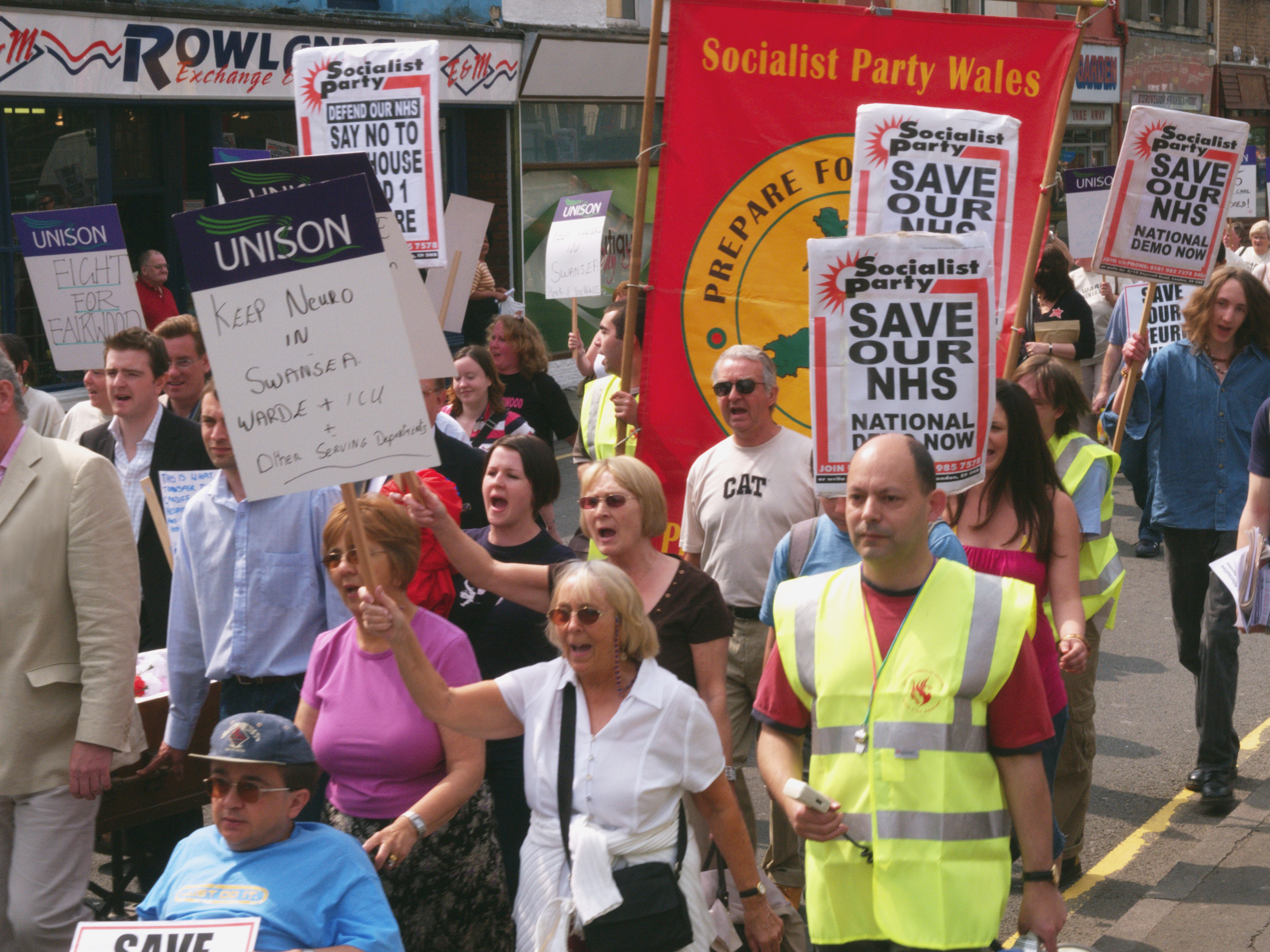
In Wales the Welsh government and local Labour councils are dominated by Assembly Members and councillors who have put up no fight at all against the cuts to public services emanating from the Tory government. By putting a gloss on those cuts they are actually assisting the Tories in implementing them.
The very effective attack by Adam Price, the leader of Plaid Cymru, on social care in Labour-run Wales in a TV election debate with Richard Burgon showed how Corbyn’s anti-austerity message was undermined in Wales by the failures of the Welsh Labour government. (Of course that criticism can equally be levelled against Plaid-led councils in Carmarthenshire, Ceredigion and Gwynedd who have carried out the cuts in exactly the same way as Labour-led councils).
The Tories can blame Labour for the terrible state of the NHS in Wales because Welsh Labour is doing their dirty work for them: closing local hospitals, closing hospital wards, cutting the ambulance service and forcing hospital staff to work in highly stressed conditions. Corbyn’s attack on Tory austerity rang hollow in Wales when he also praised the Welsh government who are presiding over an NHS that is every bit as under-resourced as the Tory-run NHS in England.
It is possible that the Tories will expand public spending in the next budget but concentrate on expanding spending on infrastructure projects like roads rather than public services like the NHS. There is a danger that while Welsh Labour will own the decline of public services in Wales the Tories will appear to be splashing out on prestige projects that will give them the aura in Wales of “getting things done”.
So, far from retreating further from socialist policies, there is an urgent need for the Welsh government and Labour councils to begin a campaign to demand adequate funding for the NHS, education and other public services that would expose the false image that Johnson is trying to project.
They should refuse to implement Tory cuts, instead presenting a budget that reflects the needs of Welsh public services outlining the huge material improvements that can be made to working people’s lives by spending what is needed. And then organising a mass campaign of demonstrations, rallies, strikes and occupations across Wales to demand that the Tories take their boot off the throat of our services and exposing Tory lies in practice rather than just with words.
But the current Welsh Labour leadership is organically incapable of organising such an approach and campaign. The wave of new members who joined or returned to Welsh Labour, alongside those socialists determined to fightback against Johnson’s right wing government, must be organised, both within and outside of the Labour Party, to replace the Blairite Labour Assembly members and councillors in time for the Welsh parliament elections in 2021 and the council elections in 2022.
Johnson has been able to gain a parliamentary majority by focusing on Brexit, exposing the weaknesses of the Labour leadership on that issue, and putting forward a non-manifesto on the social issues that matter to working people. Despite his majority Johnson’s government will not be stable and there will be huge movements of opposition as he turns the screw even tighter on workers’ living standards. His party will be rent by new splits over Brexit as he struggles to “Get Brexit Done”. And by winning the election, he may ensure that Britain itself is finished as Scotland moves towards independence.
The general strike movement in France is a harbinger of what is coming to Britain and Wales. Socialist Party Wales will be at the forefront of the struggles in Wales.


