 Socialist Party Wales Socialism In Wales
By Iby Yassin
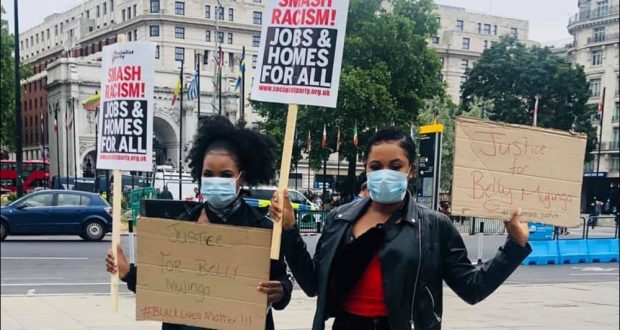
The global Black Lives Matter movement has empowered many BAME people to speak up about the struggles they face, and to seek equality in a system that disadvantages us.
One of the most basic outcomes of equality is representation – to see yourself and those that share your skin colour and culture in all aspects of public life, and this is one of the many aims of the BLM movement.
Some of the more insidious consequences of a lack of representation appear in parts of the system that we already believe to be egalitarian and fair, such as our excellent NHS. Consider the following scenario:
You notice that your child has a rash. You take them to your nearest doctor’s surgery/pharmacy for advice. The professional looks at the rash and asks about other symptoms, and they diagnose your child with X.
Imagine if in this scenario, the doctor/pharmacist has almost never seen what condition X looks like on skin as dark as your child’s. That despite 5-6 years and many thousands of hours of intense training, they can count on two hands the number of reference images with black skin as the basis.
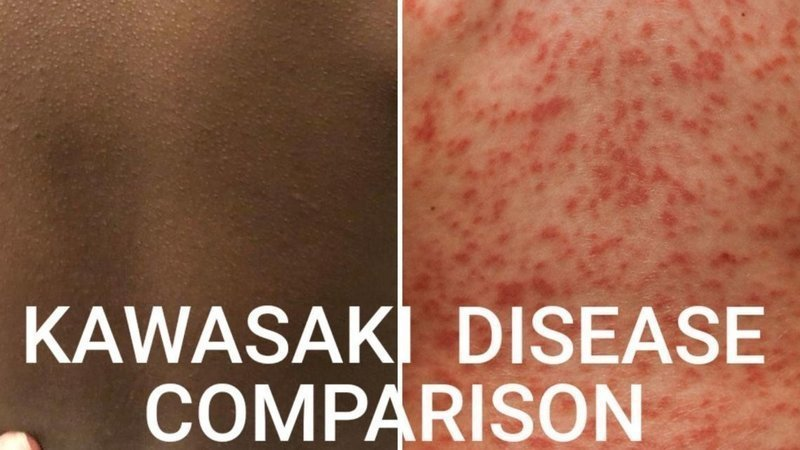
I am a student at the Welsh School of Pharmacy and Pharmaceutical Sciences at the University of Cardiff. I am halfway through my course, and I can count on a single hand the number of reference photos like the above for skin conditions on black skin.
I regularly must refer to other unverified sources, such as the Instagram page https://www.instagram.com/brownskinmatters/ to access reference images, despite my cohort consisting of at least 25% BAME students.
This is the reality facing black people in the UK in 2020. Representation isn’t just about optics, and seeing more people in various positions in society, as much as it would be welcomed, but making sure that BAME people are considered in every aspect of life that white people are, and especially so when lives depend on it.